The White Coat Premium: When a Medical Title Becomes a Sales Strategy

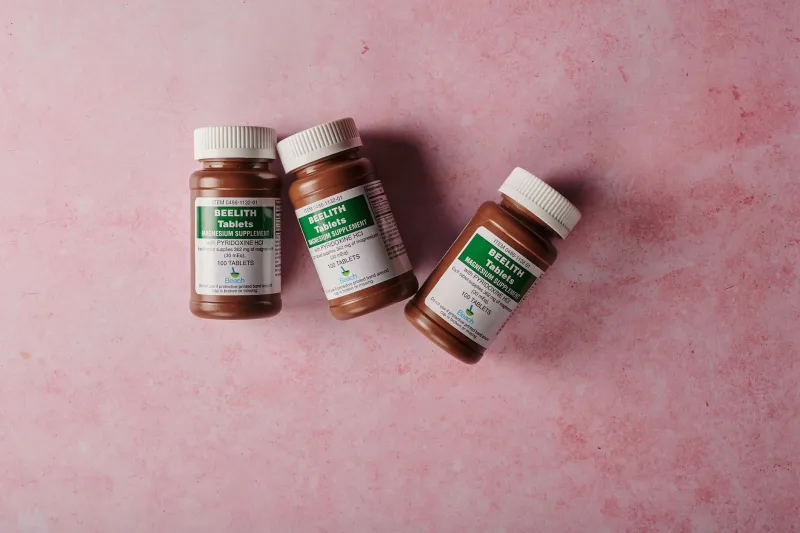
Photo: Nicrobsimo, CC BY-SA 4.0, via Wikimedia Commons
There is a reason the supplement industry loves a white coat. Surveys have repeatedly shown that consumers trust health claims more—and pay more—when a product carries a physician's name. The 'MD' functions as a shorthand for rigor, a promise that someone with real training stands behind what's in the bottle. Sometimes that promise is genuine. Increasingly, it is a licensing arrangement.
The doctor-branded wellness category has exploded over the past decade, and it's worth being honest about what the model actually is: a credential deployed as a marketing asset. In many cases, the physician involved has no role in formulation, no oversight of manufacturing, and no financial exposure if the product underperforms. The title is rented, not earned.
Where Expertise Ends and Endorsement Begins
To be clear, there is nothing inherently wrong with a clinician founding a supplement company. Physicians who identify gaps in patient care—vitamin D repletion protocols, methylated B formulations for specific populations—have legitimate reasons to enter the market. Some bring genuine rigor: third-party testing, dosages grounded in clinical trials, transparent sourcing.
The problem is that the market does not distinguish between these founders and the celebrities of medicine who lend their names to whatever a contract manufacturer produces. Both wear the coat. Only one is wearing it honestly.
The consumer's dilemma, then, is epistemological: how do you evaluate a health claim when the claimant's primary qualification is printed next to their signature?
A Shopper's Checklist for Doctor-Branded Products
Before paying the white coat premium, consider the following:
- Look for third-party certification, not testimonials. NSF Certified for Sport, USP Verified, or Informed Choice seals indicate independent laboratory verification. A physician's quote is not verification.
- Check whether dosages match published research. If a clinical trial demonstrated a benefit at 500 mg and the product contains 50 mg, the citation is decorative.
- Ask what the doctor's actual role is. 'Chief Medical Officer' at a company with twelve employees often means 'willing to appear in our ads.'
- Search for the claim, not the brand. 'Supports immune health' is unregulated marketing language. 'Shown to reduce duration of colds at 1g daily in randomized trials' is a checkable claim.
- Note the conflict-of-interest disclosure. Trustworthy brands acknowledge they profit from what they recommend. Brands that hide this relationship are telling you something.
The Responsibility Runs Both Ways
Those of us who publish under medical branding carry an obligation the industry has not always met. A credential should function as a promise of scrutiny, not a substitute for it. When a site or brand puts 'Dr.' in its name, readers are entitled to sources, mechanisms, and honest acknowledgment of uncertainty—three things that rarely appear on a supplement label.
The white coat should be the beginning of trust, not the end of your questions. The next time a physician-endorsed product appears in your feed, treat the credential as an invitation to investigate rather than a reason to stop.