When Your Cells Stop Repairing Themselves: The Methylation Crisis Hidden Behind Everyday Symptoms

A Process Running a Billion Times Per Second—and Most People Have Never Heard of It
Right now, inside virtually every cell in your body, a chemical reaction called methylation is taking place. A single carbon atom bonded to three hydrogen atoms—a methyl group—is being transferred from one molecule to another. This transfer seems almost mundanely simple. But its consequences are anything but.
Methylation regulates which genes are expressed and which are silenced. It repairs damaged DNA strands before errors can propagate. It converts the amino acid homocysteine into protective compounds. It synthesizes dopamine, serotonin, and epinephrine. It governs inflammatory signaling pathways. It even influences how efficiently your liver detoxifies environmental chemicals.
When methylation functions properly, these processes hum along invisibly. When it breaks down—and for a significant portion of the American population, it is breaking down—the consequences can manifest as mood instability, cognitive decline, cardiovascular risk, and systemic inflammation. The tragedy is that most of these manifestations get treated as isolated problems, when the underlying disruption is biochemical and, in many cases, correctable through targeted nutritional intervention.
The Methyl Donor System: What Fuels the Process
Methylation does not operate on willpower or good intentions. It requires raw materials—specific nutrients that the body cannot manufacture in sufficient quantities on its own. These are collectively called methyl donors and cofactors, and the most clinically significant ones are folate (vitamin B9), vitamin B12, vitamin B6, and choline.
Here is how the system works in simplified terms: folate and B12 work together to regenerate a compound called S-adenosylmethionine, or SAMe. SAMe is the primary methyl donor in the body—the molecule that actually hands off methyl groups to the hundreds of reactions that depend on them. Once SAMe donates its methyl group, it becomes homocysteine, a potentially harmful amino acid that must then be converted back into beneficial compounds through a process that requires B6 and additional folate or B12.
When any one of these nutrients is insufficient, the entire cycle slows. Homocysteine accumulates. SAMe production drops. Methylation-dependent processes—DNA repair, neurotransmitter synthesis, inflammation regulation—begin to falter. The body does not send a clear distress signal. Instead, it produces symptoms that look like a dozen other conditions: fatigue, low mood, poor concentration, joint pain, elevated cardiovascular markers.
Why So Many Americans Are Running on Empty
American dietary patterns create a near-perfect environment for methylation insufficiency. Folate is found primarily in dark leafy greens, legumes, and liver—foods that consistently rank among the least consumed in national dietary surveys. While the U.S. mandates folate fortification in enriched grain products, the form used in fortification (folic acid) must be converted by the body into its active form before it can participate in methylation. Individuals carrying common genetic variants—particularly in the MTHFR gene—convert folic acid inefficiently, meaning they may be consuming adequate amounts on paper while remaining functionally deficient at the cellular level.
B12 presents its own challenges. It is found almost exclusively in animal-derived foods, putting vegetarians, vegans, and those who have reduced meat consumption at elevated risk. But absorption is the equally important variable. B12 requires a protein called intrinsic factor, produced in the stomach lining, to be properly absorbed. As the stomach lining thins with age—a process that accelerates after 50—intrinsic factor production declines. Long-term use of proton pump inhibitors and metformin, two of the most commonly prescribed medications in the country, further suppresses B12 absorption. The result is a population where deficiency is far more common than clinical testing typically reveals.
Choline is perhaps the most underappreciated nutrient in this group. The body synthesizes some choline endogenously, but not enough to meet its methylation demands. Eggs and liver are the richest dietary sources, and surveys consistently find that fewer than 10 percent of Americans consume adequate amounts. Choline is also a precursor to acetylcholine, a neurotransmitter critical for memory and attention—a connection that takes on particular significance given rising rates of cognitive decline across age groups.
Symptoms That Point Upstream
Poor methylation rarely announces itself with a single, identifiable complaint. More often, it presents as a constellation of overlapping symptoms that individually suggest a range of diagnoses.
Elevated homocysteine—one of the most direct markers of impaired methylation—is associated with increased cardiovascular risk, yet it remains absent from most routine lipid panels unless a physician specifically orders it. Mood disorders, particularly depression and anxiety, have been linked to reduced SAMe availability, which limits the synthesis of serotonin and dopamine. Cognitive symptoms ranging from difficulty concentrating to more pronounced memory problems can reflect both neurotransmitter deficits and accumulated oxidative damage from inadequate DNA repair.
Chronic inflammation is another downstream consequence. Methylation plays a regulatory role in inflammatory gene expression; when it is compromised, pro-inflammatory pathways can remain persistently activated. This may help explain why some individuals with otherwise healthy lifestyles still carry elevated inflammatory markers without a clear clinical explanation.
What a Targeted Supplementation Strategy Looks Like
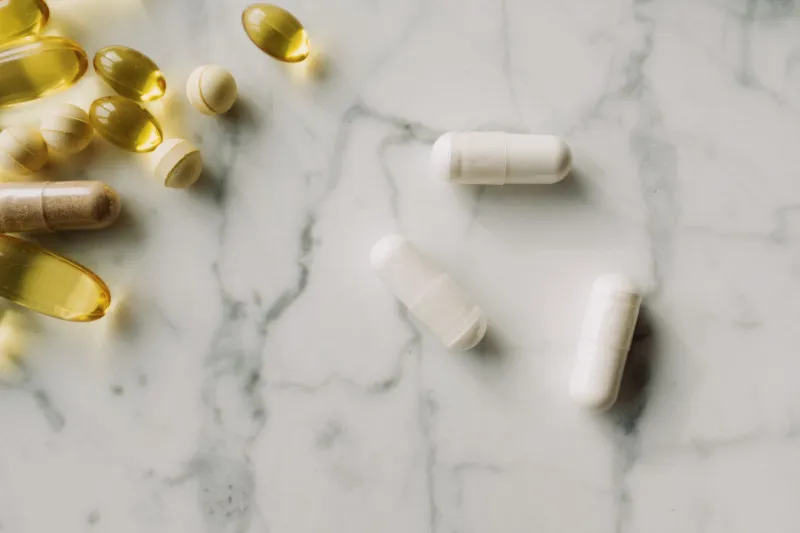
Addressing methylation through supplementation requires attention to both form and dose—two variables that mainstream supplement marketing frequently obscures.
For folate, the clinically preferred form is methylfolate (5-MTHF) rather than synthetic folic acid. Methylfolate bypasses the conversion step that MTHFR variants impair, making it directly usable regardless of genetic profile. For B12, methylcobalamin is generally considered more bioavailable than cyanocobalamin for methylation-specific purposes, and sublingual or injectable forms may be appropriate for individuals with absorption concerns.
B6 in its active form—pyridoxal-5-phosphate, or P5P—is more readily utilized by the body than the pyridoxine hydrochloride found in most standard multivitamins. Choline supplementation, whether through alpha-GPC, CDP-choline, or high-quality dietary sources, rounds out the foundational support for a fully functional methylation cycle.
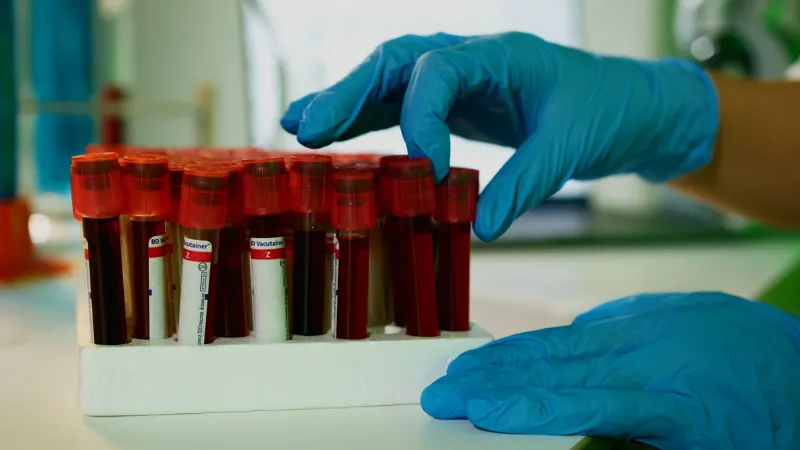
Because these nutrients interact closely, balance matters. Supplementing with high-dose folate without ensuring adequate B12, for example, can mask a B12 deficiency while neurological damage continues. Working with a clinician who can evaluate homocysteine levels, folate status, and B12 in tandem provides a far more accurate picture than any single marker in isolation.
A System Worth Understanding
Methylation is not a niche topic for biochemists or functional medicine specialists. It is a foundational biological process that touches virtually every system in the body, and the nutrients that sustain it are among the most commonly insufficient in the American diet.
The symptoms that emerge when methylation falters—low energy, unstable mood, cognitive sluggishness, persistent inflammation—are frequently treated as endpoints rather than signals. They are not endpoints. They are messages from a cellular repair system that is not getting what it needs.
At Dr. Zoh Wellness, the guiding principle is that science-backed supplementation should be precise, not generic. Understanding methylation is one of the clearest examples of why that distinction matters. The right nutrients, in the right forms, at the right doses, can restore a system that mainstream medicine too often overlooks entirely.