Fermented Foods vs. Probiotic Capsules: What the Science of Gut Colonization Actually Reveals
A Supplement Category Built on a Reasonable Assumption
The logic behind probiotic supplements is straightforward: the gut microbiome influences digestion, immune function, mood, and metabolic health; beneficial bacterial strains support a healthy microbiome; therefore, consuming those strains in concentrated capsule form should improve outcomes. It is a reasonable hypothesis, and it has driven a supplement market now valued in the billions of dollars annually in the United States alone.
The problem is not that the hypothesis is wrong. It is that the delivery mechanism—an encapsulated, shelf-stable, commercially standardized capsule—introduces variables that significantly complicate the outcome. When researchers began comparing the microbiome effects of probiotic supplements against those of regularly consumed fermented foods, the results were, for many in the industry, inconvenient.
The Viability Problem
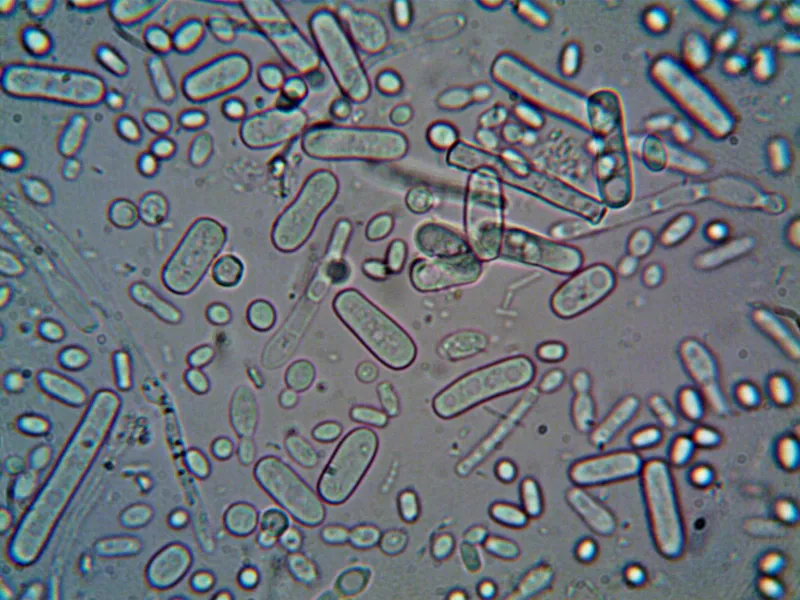
The first challenge facing any probiotic supplement is survival. Beneficial bacteria must remain alive to exert any effect, and the journey from manufacturing facility to gut epithelium is not hospitable. Freeze-drying, encapsulation, warehousing, shipping, retail storage, and home storage all create conditions—temperature variation, humidity, light exposure—that degrade bacterial viability over time.
Regulatory standards in the United States do not require manufacturers to guarantee viable organism counts at the time of consumption—only at the time of manufacture. A product labeled as containing 50 billion CFUs may deliver considerably fewer by the time it reaches the consumer, and fewer still by the time it reaches the colon, where most microbiome activity occurs. Gastric acid and bile salts eliminate a substantial portion of even viable organisms before they reach their destination.
Fermented foods, by contrast, deliver live organisms embedded in a food matrix that has evolved over millennia to protect and transport microbial life. The acidic environment of fermented dairy products like yogurt and kefir, for example, actually buffers the bacterial payload against gastric acid degradation. The organisms arrive at the small intestine in higher numbers and in better functional condition than their encapsulated counterparts.
What Fermented Foods Bring That Capsules Cannot
Beyond viability, fermented foods offer something that no probiotic capsule can replicate: the prebiotic matrix. Fermentation does not merely introduce bacteria into a food—it transforms the food's chemical composition in ways that create a nutrient environment favorable to microbial survival and colonization.
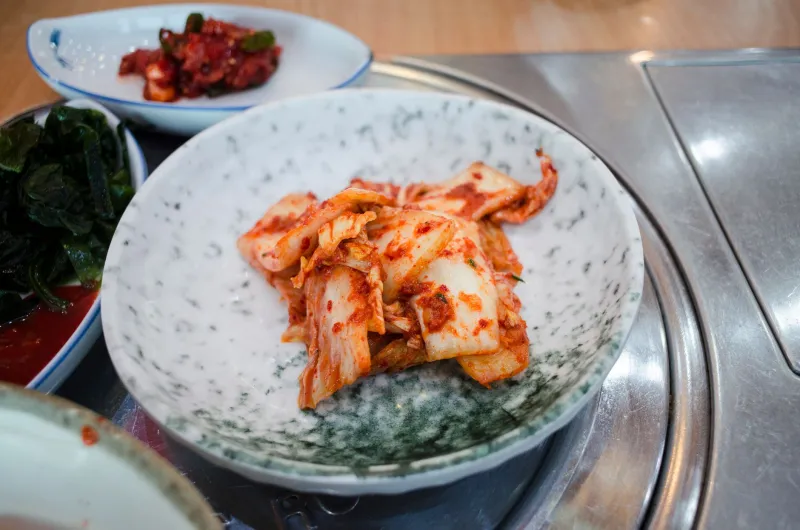
Kefir, for example, contains not only a diverse consortium of bacteria and yeasts but also exopolysaccharides, short-chain fatty acids, and partially digested proteins that serve as substrates for microbial metabolism in the colon. Sauerkraut and kimchi deliver lactobacillus strains alongside fiber structures that function as prebiotic fuel. Miso and tempeh provide isoflavones and other bioactive compounds that modulate the gut immune environment in ways that support colonization.
A 2021 study published in Cell compared high-fiber diets against high-fermented-food diets in healthy adults and found that the fermented food group demonstrated greater microbiome diversity—a key marker of gut health resilience—than the high-fiber group alone. Notably, the fermented food group also showed reductions in markers of systemic inflammation. These are outcomes that probiotic supplement trials have struggled to replicate consistently.
The Colonization Rate Question
One of the most persistent misconceptions about probiotic supplementation is that it permanently alters the gut microbiome. For most people, in most circumstances, it does not. The gut microbiome is a remarkably stable ecosystem, shaped by years of dietary patterns, environmental exposures, and host genetics. Introducing exogenous strains—even in high doses—typically produces transient changes that resolve within days to weeks after supplementation stops.
This is not a failure of the product; it is a feature of the ecosystem. A mature, diverse microbiome actively resists colonization by new organisms, including beneficial ones. This colonization resistance is actually a sign of a healthy gut, not a defective one.
Fermented foods appear to work within this resistance rather than against it. Because they are consumed regularly, in varied forms, as part of a broader dietary pattern, they continuously reintroduce microbial diversity without triggering the same degree of colonization resistance. The body habituates to fermented foods as a consistent part of the nutritional environment, and the microbiome adjusts accordingly over time.
Which Fermented Foods Deliver Clinically Meaningful Outcomes
Not all fermented foods are equivalent, and not all commercially available fermented products retain meaningful live cultures. Heat-treated sauerkraut, pasteurized kimchi, and many shelf-stable fermented condiments have had their microbial content eliminated by processing. For fermented foods to deliver microbiome benefits, they must contain live, active cultures at the time of consumption.
Kefir has among the strongest evidence bases of any fermented food for gut health outcomes. It contains a broader diversity of bacterial and yeast strains than most yogurts, and clinical studies have associated regular kefir consumption with improvements in lactose tolerance, bowel regularity, and markers of intestinal permeability.
Plain, live-culture yogurt is more accessible than kefir for many Americans and delivers consistent lactobacillus and bifidobacterium strains. The evidence for its role in supporting digestive regularity and reducing antibiotic-associated diarrhea is well-established.
Kimchi and sauerkraut (unpasteurized, refrigerated varieties) deliver lactobacillus strains alongside dietary fiber and phytonutrients. Regular consumption has been associated with improvements in metabolic markers in several observational studies.
Tempeh is notable for its protein content alongside its probiotic properties, making it a particularly practical option for Americans seeking to increase both protein intake and microbial diversity simultaneously.
Kombucha is the most variable of the commonly consumed fermented beverages in terms of microbial content and sugar load. Some commercial varieties contain minimal live cultures and meaningful amounts of added sugar, which may partially offset microbiome benefits. Home-brewed or carefully selected commercial varieties with documented live culture content are preferable.
When Probiotic Supplements Do Make Sense
This analysis is not an argument against probiotic supplements categorically. There are specific clinical contexts in which the evidence for supplemental probiotics is genuinely strong.
Antibiotic-associated diarrhea is one of the most well-supported applications. Certain strains—particularly Lactobacillus rhamnosus GG and Saccharomyces boulardii—have demonstrated statistically significant reductions in antibiotic-associated diarrhea in randomized controlled trials. For patients undergoing antibiotic treatment, a targeted, strain-specific probiotic supplement represents a reasonable and evidence-supported intervention.
Infectious diarrhea, traveler's diarrhea, and certain presentations of irritable bowel syndrome also have supporting evidence for specific probiotic strains at specific doses. The key word in each case is specific. The evidence is not for probiotics generically—it is for particular strains, at particular doses, in particular clinical contexts.
For patients who cannot or do not consume fermented foods due to dietary restrictions, food sensitivities, or personal preference, a high-quality probiotic supplement—one that documents strain identity, viability at expiration, and storage requirements—represents a reasonable alternative. It is not equivalent to dietary fermented food intake, but it is not without value.
Rethinking the Default
The American supplement market has made probiotic capsules the default intervention for gut health concerns, in part because capsules are convenient, marketable, and profitable. The science, however, suggests that for most adults without a specific clinical indication, the default should be the opposite: fermented foods first, supplements when warranted.
At Dr. Zoh Wellness, our approach to digestive health is grounded in what the clinical record actually supports. That means recognizing that some of the most effective gut health interventions are not found in a bottle—and that when supplements do make sense, the choice of strain, dose, and formulation matters enormously. The goal is not to sell supplementation as a universal answer. It is to help patients understand when supplementation genuinely serves their health, and when whole-food strategies will serve them better.